網(wǎng)站地圖
學(xué)院概況
學(xué)院簡(jiǎn)介
機(jī)構(gòu)設(shè)置
新聞首頁(yè)
綜合動(dòng)態(tài)
媒體關(guān)注
教學(xué)科研
合作交流
校園動(dòng)態(tài)
學(xué)術(shù)視頻
專(zhuān)題新聞
師資力量
名家名師
教育教學(xué)
本科生
研究生
留學(xué)生
繼續(xù)教育
附中
院系設(shè)置
視覺(jué)傳達(dá)設(shè)計(jì)學(xué)院
建筑與景觀設(shè)計(jì)學(xué)院
工業(yè)設(shè)計(jì)學(xué)院
服裝學(xué)院
造型藝術(shù)學(xué)院
現(xiàn)代手工藝術(shù)學(xué)院
數(shù)字藝術(shù)與傳媒學(xué)院
人文藝術(shù)學(xué)院
應(yīng)用設(shè)計(jì)學(xué)院
繼續(xù)教育學(xué)院
公共課教學(xué)部
藝術(shù)與設(shè)計(jì)實(shí)踐教學(xué)中心
馬克思主義學(xué)院
創(chuàng)新創(chuàng)業(yè)學(xué)院
產(chǎn)教融合青島基地
科研創(chuàng)作
科研工作
科研成果
招生就業(yè)
本科生
研究生
繼續(xù)教育
就業(yè)信息
合作交流
國(guó)際交流
合作發(fā)展
走進(jìn)校園
校園導(dǎo)航
視覺(jué)校園
聯(lián)系我們
人才招聘
信息公開(kāi)
信息公開(kāi)指南
信息公開(kāi)目錄
學(xué)院概況
學(xué)院簡(jiǎn)介
機(jī)構(gòu)設(shè)置
新聞首頁(yè)
綜合動(dòng)態(tài)
媒體關(guān)注
教學(xué)科研
合作交流
校園動(dòng)態(tài)
學(xué)術(shù)視頻
專(zhuān)題新聞
師資力量
名家名師
教育教學(xué)
本科生
研究生
留學(xué)生
繼續(xù)教育
附中
院系設(shè)置
視覺(jué)傳達(dá)設(shè)計(jì)學(xué)院
建筑與景觀設(shè)計(jì)學(xué)院
工業(yè)設(shè)計(jì)學(xué)院
服裝學(xué)院
造型藝術(shù)學(xué)院
現(xiàn)代手工藝術(shù)學(xué)院
數(shù)字藝術(shù)與傳媒學(xué)院
人文藝術(shù)學(xué)院
應(yīng)用設(shè)計(jì)學(xué)院
繼續(xù)教育學(xué)院
公共課教學(xué)部
藝術(shù)與設(shè)計(jì)實(shí)踐教學(xué)中心
馬克思主義學(xué)院
創(chuàng)新創(chuàng)業(yè)學(xué)院
產(chǎn)教融合青島基地
科研創(chuàng)作
科研工作
科研成果
招生就業(yè)
本科生
研究生
繼續(xù)教育
就業(yè)信息
合作交流
國(guó)際交流
合作發(fā)展
走進(jìn)校園
校園導(dǎo)航
視覺(jué)校園
聯(lián)系我們
人才招聘
信息公開(kāi)
信息公開(kāi)指南
信息公開(kāi)目錄
搜索
導(dǎo)航
新聞首頁(yè)
首頁(yè)
>
新聞首頁(yè)
>
專(zhuān)題新聞
>
2007年
>
論文征集(07-07-01)
>
正文
Adopting an Eco-Design orientated Design Process within NPD: A Western Perspective
時(shí)間:2008.07.01
供稿:(none)
作者:David Hands、Ed Catley
英國(guó)斯塔福郡大學(xué)藝術(shù)、媒體與設(shè)計(jì)學(xué)院David Hands博士和英國(guó)舒斯博瑞科技與藝術(shù)學(xué)院Ed Catley
《在新產(chǎn)品開(kāi)發(fā)中采用以生態(tài)設(shè)計(jì)為主導(dǎo)的設(shè)計(jì)過(guò)程:西方的一種觀點(diǎn)》
摘要:本文討論了新產(chǎn)品開(kāi)發(fā)過(guò)程中生態(tài)設(shè)計(jì)思想的價(jià)值及其重要性。首先對(duì)設(shè)計(jì)及設(shè)計(jì)如何為產(chǎn)品與服務(wù)增加價(jià)值進(jìn)行了大量描述。然后介紹了生態(tài)設(shè)計(jì)以及為什么生態(tài)設(shè)計(jì)的問(wèn)題在21世紀(jì)是如此之重要。最后討論了生態(tài)設(shè)計(jì)思想是如何融入新產(chǎn)品開(kāi)發(fā)以及組織活動(dòng)之內(nèi)。
關(guān)鍵詞:生態(tài)設(shè)計(jì); 新產(chǎn)品開(kāi)發(fā);設(shè)計(jì)管理
2008 CUMULUS Workshop on International Design Education in Jinan, July 3-5 2008.
‘Adopting an Eco-Design orientated Design Process within NPD: A Western Perspective’
Dr David Hands PhD
Award Leader: MA Design Management
Faculty of Arts, Media and Design
Staffordshire University
Stoke-on-Trent, ST4 2XW
United Kingdom
Ed Catley
Shrewsbury College of Arts and Technology
London Road, Shrewsbury,
Shropshire SY2 6PR
United Kingdom
1.0. Introduction
This paper will discuss the value and importance of eco-design thinking within the new product development process. It begins by offering a rich description on design, and how design can add value to both products and services alike. Then the paper introduces the issue of eco-design and why it is such an important issue in the 21st century. The paper concludes by discussing how eco-design thinking can be embedded within NPD and organisational activity.
2.0. The Value of Design and its Effective Management
Design can lead to a variety of positive strategic benefits. However, for these to be commercially realised, a framework of organisation and planning is necessary. Design managers (or employees who have traditionally taken on this role) have generally assumed the role as intermediary, to organise the design process and manage relationships between designers and other managers. However, since the business environment has changed, design has become more involved with the goals of other business functions, playing a more significant part of the company’s strategy. As an inevitable result, the role of design has broadened with the responsibilities of the design manager expanding. Blaich (1993) defines design management as:
“…the implementation of design as a formal programme of activity within a corporation by communicating the relevance of design to long-term corporate goals and co-coordinating design resources at all levels of corporate activity to achieve the objectives of the corporation.”
Effective design management involves good communication between different organisational departments. Information appropriate to the design programme needs to be provided by production, finance, marketing and sales etc from inception of the project to its successful completion.
The successful outcome of the design project is often dependent upon (Topalian, 1994):
? Effective management skills.
? Good relationships with key suppliers and customers.
? Co-coordinating design with other tasks, particularly finance, marketing and manufacturing.
? Senior management support to ensure that adequate resources are allocated to the design project and to gain full commitment.
However, Cooper and Press (1995) argue that the term Design Management contains a fundamental contradiction. Whereas design is based around exploration and risk-taking, management is founded on control and predictability. The outcome of combining the two presents a risk that the management framework might reduce the creative scope of the designer. For those ‘managing’ design the danger of restricting the flair and imagination of designers is an important concern and only the systems that leave space for innovation should be implemented. It is important that design managers truly understand the way designers work so that the project is managed well without inhibiting creativity. Topalian (1994) argues that design management operates on two distinct levels: corporate and project.
A major report submitted to the UK government by Corfield (1979), argued that effective design management is key to companies remaining competitive in increasingly difficult markets. It recommends that product design should be recognised by companies as a key business function specifically identified as a board level responsibility, on a par with production, finance. For ‘failure to adopt a good, strong design policy can only be interpreted as one of the steps on the road to bankruptcy for companies.’ Furthermore, the report argues that ‘…companies should designate an appropriate member of their boards to take on the design function as a prime responsibility where that is not already the case.’ Reviewers of the Report have criticised Corfield for not making a clear recommendation that designers should be appointed to company boards.
The Design Council has for some years attempted to promote (although informally) the idea of designers on boards. Topalian (1980) argues in a critique on the Corfield Report, that ‘…h(huán)aving designers on company boards may well be a step in the right direction. However, rather than being too keen on transforming designers into design directors, the design professions should concentrate instead on a more sensible approach.’ He suggests that make designers and managers better at their respective roles whilst increasing the sensitivity and understanding between them.
BS7000 Part 2 (1999) separates the role of design management into two distinct areas of activity and responsibility: senior management; and project management. Firstly, it argues that senior executives within the organisation should undertake the ultimate responsibility of managing design. It argues that:
“…The ultimate responsibility for the excellence of designs produced by, or on behalf of, an organisation rests with the board of directors, owner-managers or partners. It is the chief executives responsibility to ensure that this direction is followed effectively and that design makes a full contribution to corporate performance.”
Then, having provided the broader context and role of design management within the organisation, BS7000 Part 2 details its role at project level. It raises key management issues of what should be addressed concerning the design of manufactured products specific to the project, starting from the Concept phase through to Termination. Oddly, there is no definition of what constitutes ‘Design Management’ in BS 7000 Part 10 (1995) Glossary of terms used in design management. The design management process is generally considered to start with an idea (of which 26 ‘triggers’
分享到:
上一條:
藝術(shù)設(shè)計(jì)美的和諧內(nèi)涵
下一條:
我國(guó)設(shè)計(jì)藝術(shù)教育與人才培養(yǎng)之探索
熱點(diǎn)新聞
2025.12.30
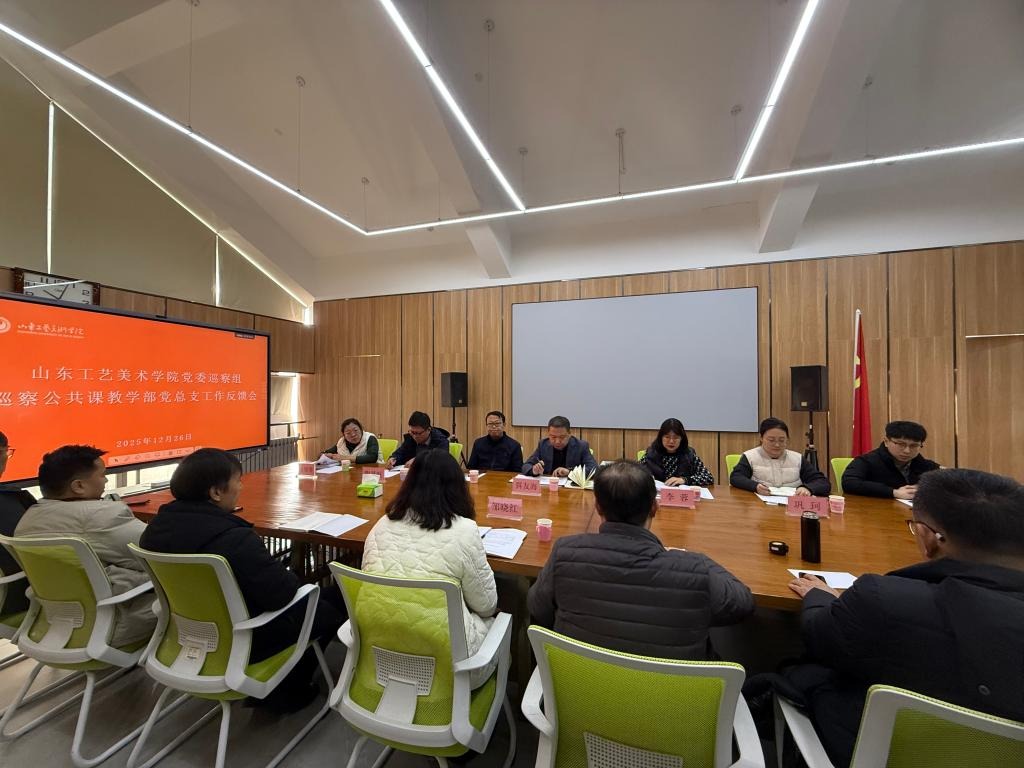
學(xué)校黨委第三輪巡察工作完成反饋
2025.12.29
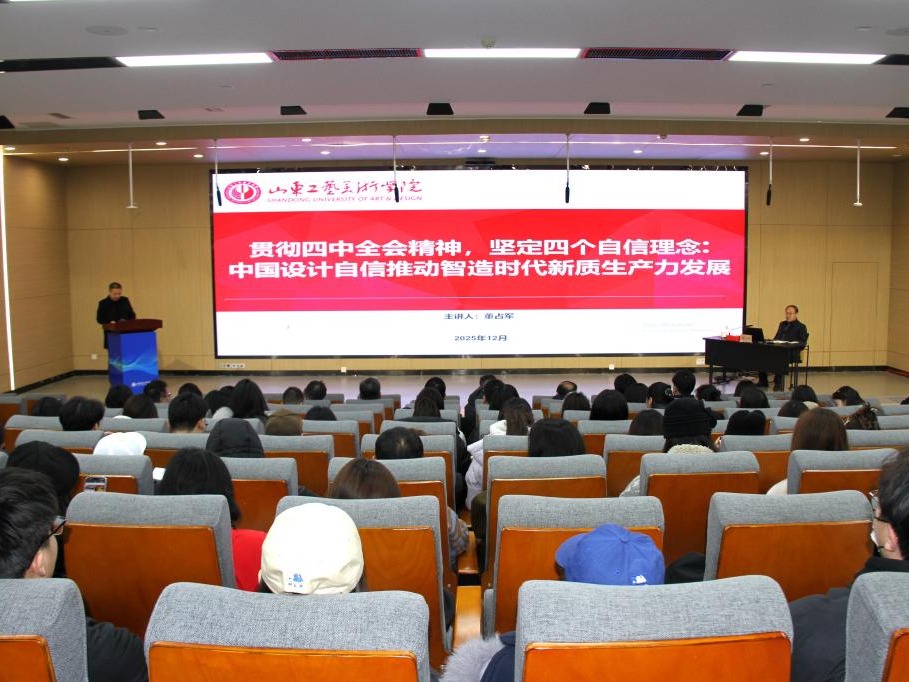
院長(zhǎng)董占軍宣講黨的二十屆四中全會(huì)精神
2025.12.29
王曉娟出席“設(shè)計(jì)賦能·文潤(rùn)濰坊”沂山濰水共繪時(shí)代新篇活動(dòng)
2025.12.28
董占軍出席“學(xué)我者生——齊白石與山東弟子”特展
2025.12.28
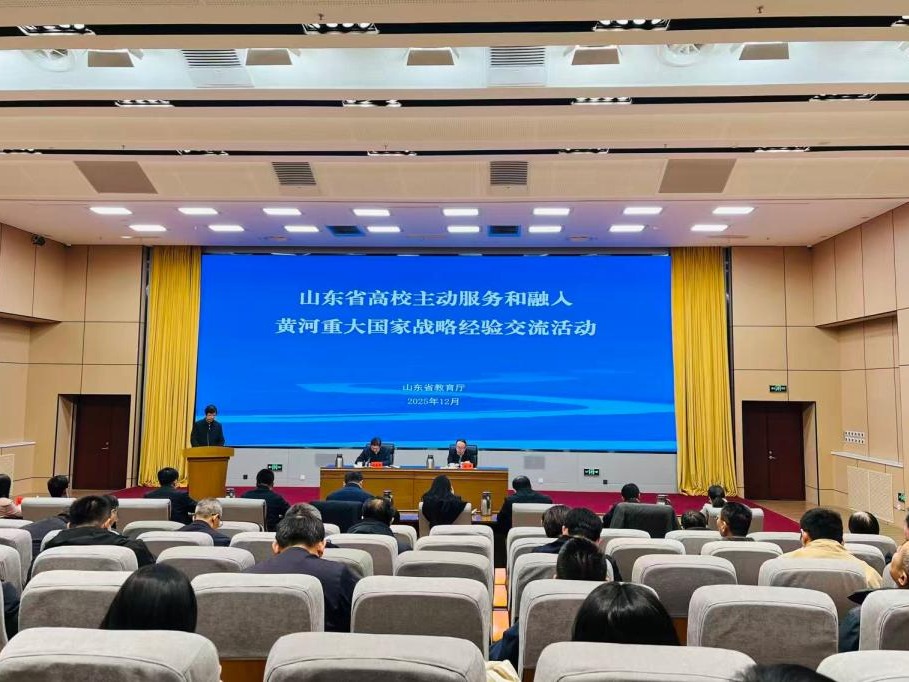
學(xué)校參加山東省高校主動(dòng)服務(wù)和融入黃河重大國(guó)家戰(zhàn)略經(jīng)驗(yàn)交流活動(dòng)
2025.12.27
2025年第22次院長(zhǎng)辦公會(huì)議紀(jì)要
原阳县
|
阜阳市
|
甘谷县
|
海城市
|
侯马市
|
东台市
|
广元市
|
扬中市
|
社旗县
|
中宁县
|
新宾
|
育儿
|
玛纳斯县
|
资兴市
|
颍上县
|
巩留县
|
长垣县
|
东乡族自治县
|
盐山县
|
儋州市
|
阳朔县
|
梁平县
|
巩义市
|
余干县
|
克东县
|
泰兴市
|
彰化市
|
龙川县
|
阜宁县
|
延长县
|
洪江市
|
鄂托克前旗
|
余姚市
|
霸州市
|
竹山县
|
保德县
|
蓝田县
|
成武县
|
隆化县
|
剑河县
|
连城县
|